


29 Apr Social Media Photography Styling: The Do’s and Don’ts
There’s a persistent myth in social media marketing that great visuals come down to talent or tools, and that photography styling for social media is simply a creative afterthought.
Better camera. Better lighting kit. Bigger budget.
If only.
The difference between content that gets ignored and content that earns attention is rarely equipment. Rather, it’s intention expressed through styling.
Because on social media, explanation comes second. Visual impact comes first.
You have roughly one to two seconds to answer three questions your audience won’t consciously ask but will instinctively decide:
- Who is this brand?
- Why should I care?
- Does this belong in my feed?
If your photo can’t communicate that immediately, your caption won’t get the chance to try.
This is where photography styling stops being creative preference and starts becoming business strategy.
What Photography Styling Actually Means on Social
Photography styling isn’t decoration. It’s direction.
It’s the deliberate control of what appears inside the frame (and just as importantly, what doesn’t) so your message lands without explanation.
Yes, that includes lighting, composition, props, background, color palette, framing, and angle.
But on social media, styling serves a larger purpose: it translates brand strategy into a visual language that performs at speed.
Done well, it:
- Builds recognition through repetition
- Signals quality in milliseconds
- Increases dwell time
- Strengthens paid media efficiency
- Creates long-term visual equity
In a feed designed to reward speed, cohesion, and familiarity, styling isn’t an aesthetic layer.
It’s an operational advantage.
Once you see it that way, the dos and don’ts aren’t arbitrary rules. They’re performance multipliers.
1. Mind the Light
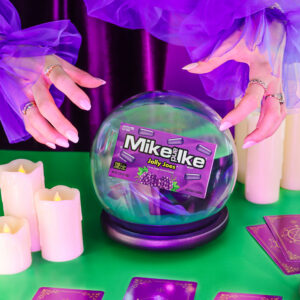 Before you adjust anything else, adjust the light.
Within a fraction of a second, lighting tells your audience whether your content feels premium, credible, aspirational … or accidental.
Soft, natural light creates depth. Dimension signals quality. Quality builds trust.
Harsh overhead lighting and mismatched color temperatures don’t just “look bad.” They flatten the image and quietly erode perceived value (which is not ideal when you’re asking someone to spend money).
2. Build a Cohesive Visual System (Not a Collection of “Nice Shots”)
If your grid looks like five creative directors took turns guessing, what you call variety reads as fragmentation. Strong brands don’t hope to be remembered. They engineer it.
That means defining:
- A color palette
- An editing approach
- A definitive style
When every image feels related, your audience doesn’t have to work to understand who you are. Once you’ve established your style, audiences will learn to recognize it outside of the feed as well. Recognition builds familiarity. Familiarity builds trust. And trust builds sales.
3. Engineer Authenticity (Yes, Engineer It)
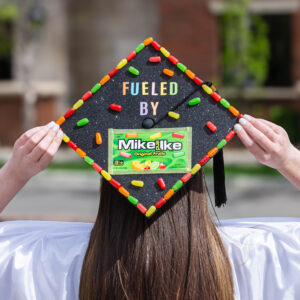 Social platforms reward content that feels native — not imported from a catalog shoot.
But “native” doesn’t mean careless. It means intentional choices that signal that your content belongs in the feed, not in a pitch deck.
- A slightly off-center crop.
- A product mid-motion.
- Locations that feel real and lived in instead of staged.
The goal isn’t perfection. It’s credibility. Audiences have finely tuned radars for “trying too hard.” Don’t set it off.
4. Simplify Like Performance Depends on It (Because It Does)
On a mobile screen, complexity is a liability.
The more elements inside the frame, the more micro-decisions the brain has to make. And in-feed, hesitation leads to scrolling.
If something doesn’t strengthen the focal point or elevate the story, remove it.
It’s noise. And noise doesn’t convert.

We Create Social Content That Commands Attention
The original social media agency. Social First. Social Only.
5. Compose for Behavior, Not Art
We’re not designing for billboards anymore. We designing for people scrolling at speed.
Social photography isn’t about artistic preference. It’s about behavioral reality. Your content will be viewed:
- Full-screen
- Vertically
- Mid-scroll
- Competing with a hundred other posts
If your composition ignores how content is actually consumed, you’re solving the wrong problem. Beautiful doesn’t matter if it’s not built for the feed.
That means:
- Strong focal points that read instantly
- Framing that survives mobile cropping
- Visual hierarchy that lands in under a second
Learn the rules. Design within them. Win because of them.
6. Capture Moments, Not Merchandise
 A polished product shot might look good. But on social, looking good isn’t enough.
Great social photography tells a story. It feels lived-in. It hints at real life happening just outside the frame.
Instead of showing the product, suggest what it feels like to use it. To experience it. To have it woven into someone’s real routine.
That sense of authenticity is what sparks connection and turns passive scrolling into real engagement.
❌ The Don’ts of Photography Styling for Social Media
1. Don’t Bury Your Brand Under a Filter
Filters can feel like an easy way to create a “vibe.” But, more often than not, they create inconsistency instead of cohesion.
Heavy editing can:
- Distort your brand colors
- Make skin tones look unnatural
- Date your content quickly
- And signal inauthenticity in a feed that increasingly values realism
If the first thing someone notices is the filter — not the product, not the person, not the moment — you’ve gone too far.
The goal of social photography isn’t to look overly styled. It’s to look believable.
That doesn’t mean you can’t use presets. Presets are great for maintaining color balance and consistency across posts. But they should support your content — not overpower it.
Before you publish, ask:
- Does this still look like our brand in real life?
- Are our colors accurate?
- Does this feel natural in today’s feed?
If the answer is no, dial it back.
2. Don’t Default to Flash (Unless You Have a Clear Reason)
Direct flash is trending, but that doesn’t mean it fits your brand. Used without intention, flash can:
- Flatten depth
- Exaggerate shine and texture
- Make a scene feel harsh instead of inviting
It can also subtly signal “last minute” instead of intentional.
Flash isn’t bad. It just needs a purpose. It works when you’re aiming for bold, editorial, or nightlife energy. But if you’re using it by default, pause.
Ambient light feels natural and immersive.
Flash feels stylized and attention-grabbing.
Before you shoot, ask:
- Does this match our brand personality?
- Does it support the story?
3. Don’t Ignore Your Backdrops
Backgrounds either support the subject or compete with it.
When a background is cluttered, the eye has to work to find the focal point. That extra effort creates friction. And friction leads to scrolling.
Your viewer should know exactly where to look within a second. Keep backgrounds:
- Clean – Remove anything that doesn’t serve the shot.
- Controlled – Be intentional with color, texture, and depth.
- On-brand – Every surface, wall, and prop should reinforce your visual identity.
If it doesn’t add to the story, take it out of the frame.
4. Don’t Treat Empty Space Like a Missed Opportunity
Some brands fill every corner of the frame as if empty space is dangerous.
It isn’t.
It’s breathing room.
Every object should earn its place. If you have to explain why something is there, remove it.
Visual hierarchy isn’t optional on social.
It’s the difference between instant comprehension and instant exit.
5. Don’t Turn Every Post into a Billboard
Yes, you have a product.
Yes, you have brand guidelines.
Yes, you want recognition.
But when every post is overly styled, logo-forward, and perfectly polished, it stops feeling social and starts feeling staged.
Heavy-handed branding can:
- Make content feel like an ad
- Create distance instead of connection
- Signal “campaign” instead of “conversation”
Your audience doesn’t want to feel marketed to in their feed. They want to feel included.
Let your brand show through naturally (in tone, in color, in energy) not just in logos and product placement.
Pull back on:
- Oversized logos
- Hyper-curated scenes
- Perfect, untouchable styling
6. Don’t Abandon Your Aesthetics for Trends
It’s tempting to shift your colors, lighting, editing style, or tone to match whatever is taking off.
But when your feed starts to look like everyone else’s, you lose the one thing that builds long-term equity: consistency.
A sudden visual pivot might earn attention.
It can also make your audience pause and think, “Wait… who is this?”
Before adapting a trend, ask:
- Can this live within our existing visual system?
- Can we interpret it in our style instead of copying it?
- Will this still feel cohesive next to the rest of our feed?
Adapt trends to your brand. Don’t rebuild your brand to fit a trend.
Styling Is a Strategic Advantage
There’s a reason certain brands consistently command attention in-feed.
It’s not better cameras.
Not bigger budgets.
Not luck.
It’s discipline.
Brands that win understand one thing: visual consistency compounds.
Every image strengthens recognition or weakens it.
Every frame builds credibility or erodes it.
That doesn’t happen by accident. It happens when styling isn’t a finishing touch, but part of the operating model.
Frequently Asked Questions: Social Media Photography Styling
What is photography styling for social media?
Photography styling for social media is the deliberate control of what appears inside the frame — including lighting, composition, props, background, color palette, framing, and angle — to communicate brand identity instantly. Done well, it translates brand strategy into a visual language that performs at speed, building recognition, signaling quality, increasing dwell time, and creating long-term visual equity.
How does lighting affect social media photography?
Lighting is one of the most critical elements of social media photography. Soft, natural light creates depth and dimension, which signals quality and builds trust. Harsh overhead lighting or mismatched color temperatures flatten the image and quietly erode perceived value — which is not ideal when you’re asking someone to spend money.
How do you build a cohesive visual system for social media?
Building a cohesive visual system means defining a consistent color palette, editing approach, and definitive style across all content. When every image feels related, your audience doesn’t have to work to understand who you are. Recognition builds familiarity. Familiarity builds trust. And trust builds sales.
Should brands follow visual trends in social media photography?
Brands should adapt trends to fit their existing visual system rather than rebuild their aesthetic to chase them. Before adopting a trend, ask whether it can live within your visual system, whether you can interpret it in your own style, and whether it will feel cohesive next to your existing content. Visual consistency compounds over time — abandoning your aesthetics for trends can cost you the recognition you’ve built.
Why does photography styling matter for social media performance?
Photography styling matters because you have roughly one to two seconds to answer three questions your audience will instinctively decide: Who is this brand? Why should I care? Does this belong in my feed? Consistent, intentional styling builds recognition, signals quality, increases dwell time, strengthens paid media efficiency, and creates long-term visual equity. It’s not a creative afterthought — it’s an operational advantage.